

manufacture refraction instruments, ophthalmic diagnostic instruments, visual acuity chart, ophthalmic unit, electric table,one stop medical instrument
News
The optics of the eye
News
The optics of the eye

The optics of the eye
July 07, 2024

The optics of the eye

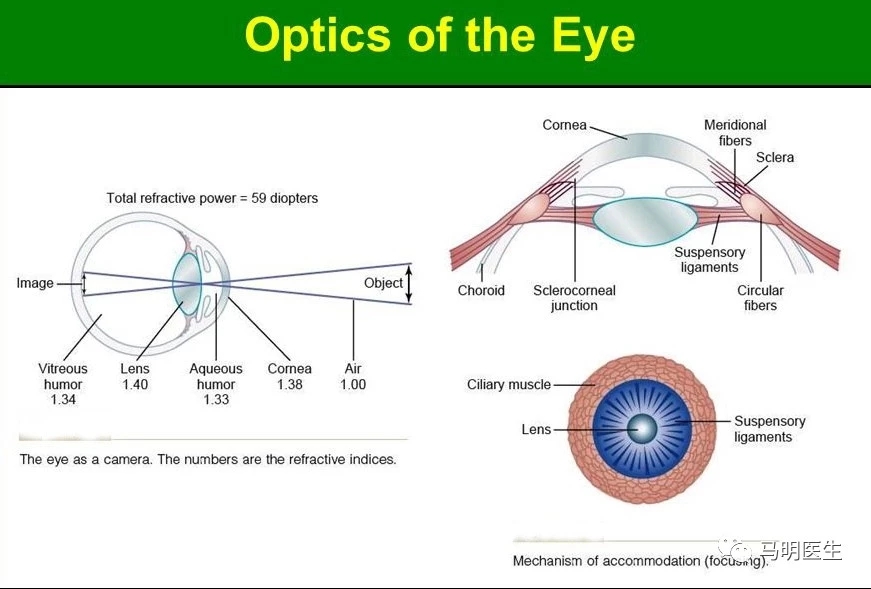
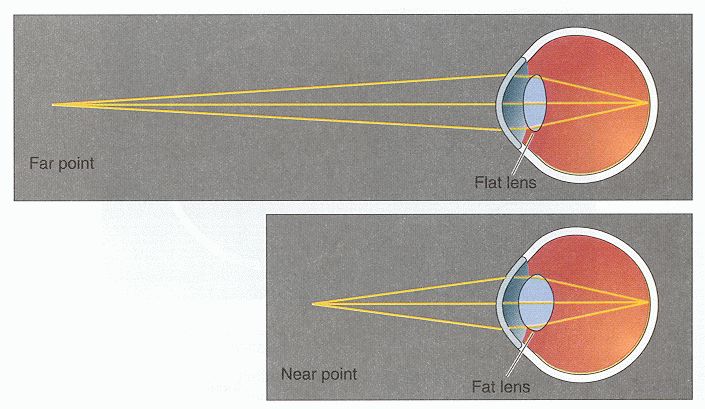
The basic optic function of the eye is to form an image of whatever object being looked at (fixated on) on the retina. This image formation is done by the combination of the cornea and the lens which behaves like a convex lens. The focus length of this lens is adjustable by the muscles attached to it according to the distance of the object so that its image is always formed on the retina in normal situation.

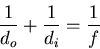
The simple relationship between the focal length f of the lens and the distances of the object and its image is 
The optics of the eye

where do and di are the distances from the lens to the object and its image, respectively. For a given f,  distant object (large do)  images on the retina ,with the focus length equal to the distance of the image.

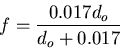
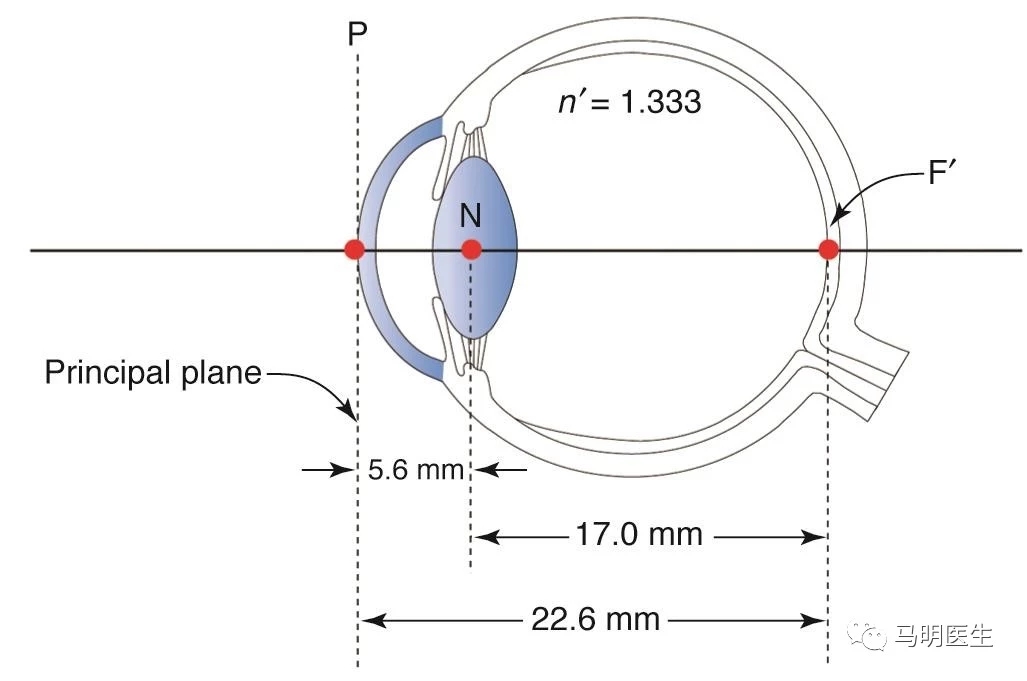
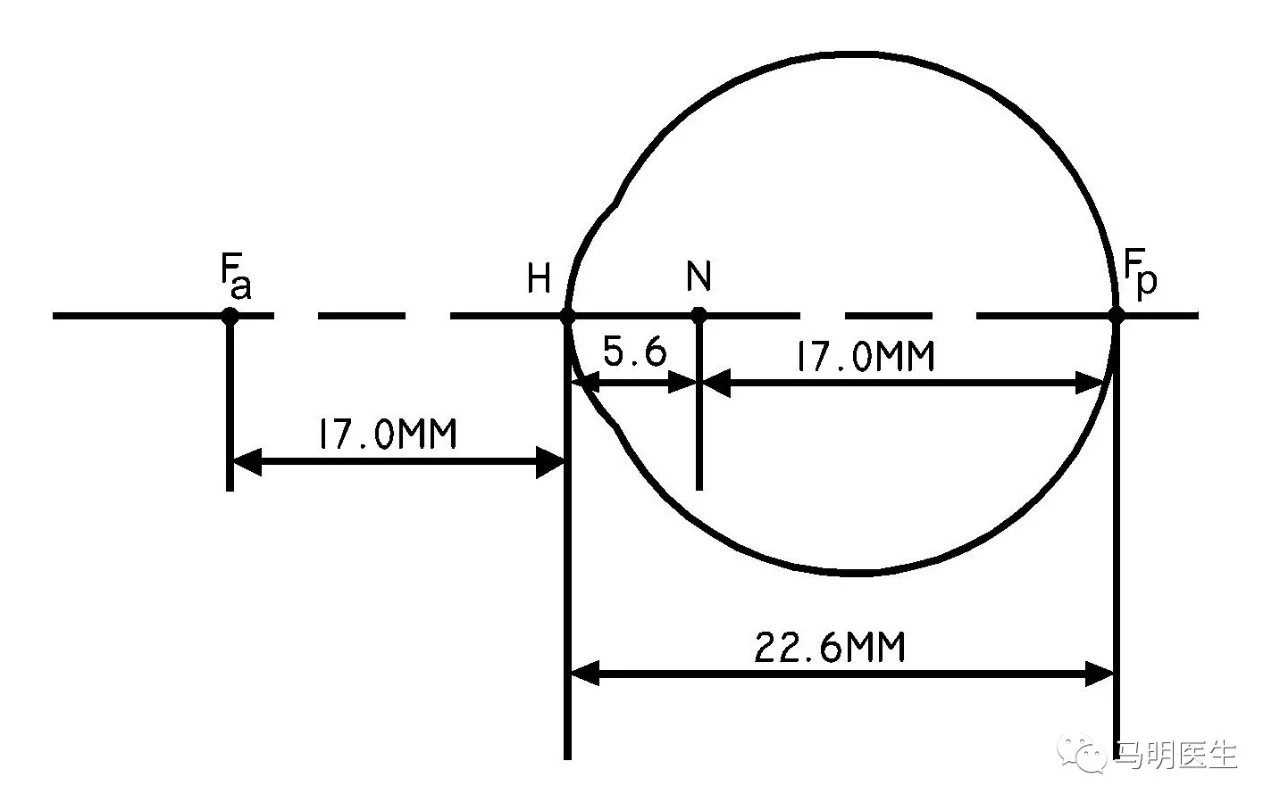
In the human eye, as the image always needs to be formed on the retina, di is fixed to be the distance between the lens and the retina, which is about 0.017 meters (17 mm), and the focal length of the lens need to be adjuected as a function of the distance of the object:
The optics of the eye

The optics of the eye

 If, for various reasons, the eye fails to focus the images on the retina (either in front or behind the retina), eye glasses are needed to change the focal length so that the image can still be formed on the retina.
The optics of the eyeThe optics of the eye

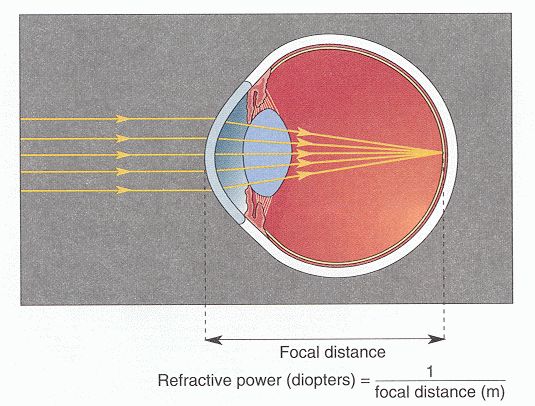
The power of a lens to bend the incoming light is measured by diopter, defined as the reciprocal of the focal length in meter. To see objects of different distances, the power of the lens needs to be changed accordingly.
 The optics of the eye

When the object is far away (do-∞), its image is formed at the distance equal to the focal length ( di=f=0.017 mm); however, when the object is close, its image will be formed farther away from the lens (di>f). 

For the image to still be formed on the retina, the lens needs to change its shape to increase its power (shorten f). As one can see in the plot below (showing f and 1/f as functions of object distance do, given di=17 mm), major adjustment of the lens is needed only when viewing objects within the range of about half a meter. For example, the focal length needs to be at 0.0145 meters for an object at 0.1 meters, or 0.0163 meters for an object at 0.4 meters. To view any object farther away than 0.5 meters, the lens needs to be pretty relaxed so that f is very close to 0.017 meters.
Currency: USD
USD - US Dollar
EUR - Euro
GBP - British Pound
JPY - Japanese Yen
AED - Arab Emir. Dirham
AUD - Australian Dollar
BRL - Brazilian Real
CAD - Canadian Dollar
CHF - Switzerland Francs
DKK - Denmark Kroner
HKD - Hong Kong Dollars
IDR - Indonesia Rupiahs
INR - Indian Rupee
KRW - South Korea Won
MOP - Macau Pataca
MYR - Malaysia Ringgits
NOK - Norwegian Krone
NZD - New Zealand Dollars
PHP - Philippines Pesos
RUB - Russian Ruble
SAR - Saudi Arabia Riyals
SEK - Swedish Krona
THB - Thailand Baht
TRY - Turkey Lira
TWD - Taiwan New Dollars
SGD - Singapore Dollars
Language: English
  1. English
  2. Deutsch
  3. Français
  4. Русский
  5. にほんご
  6. 한국어
  7. Español
  8. Português
  9. Italiano
  10. العربية
  11. Nederlands
  12. Ελληνικά
Need Help?
Chat live with us
Request Quote
Want to call?

86-15160060534

WhatsApp
Track Order
Want to check the status of your order? You can put in your order number and click track order to find the tracking information or login your account to check the detail information.
order number
  • order number
  • tracking number